Treatment Overview
Breast cancer treatment in India is not a single procedure. The right plan depends on the type of breast cancer, its stage, tumour characteristics, lymph node involvement, hormone receptor status, HER2 status and the patient's overall health. Cervical cancer is a separate gynaecologic pathway — see Cervical Cancer Treatment in India and Ovarian Cancer Treatment in India.
Depending on the diagnosis, treatment may involve breast-conserving surgery, mastectomy, chemotherapy, radiation therapy (External Beam Radiotherapy in India), hormone therapy, targeted therapy, immunotherapy or a combination of these approaches.
For international patients, it is also important to look beyond the operation itself. The pathway may involve diagnosis and pathology review, specialist consultations, surgery, systemic treatment, radiation, reconstruction and follow-up care. Length of stay and overall cost therefore vary from one patient to another.
India has treatment pathways covering surgical oncology, medical oncology, radiation oncology and reconstructive surgery, so different parts of breast cancer care can be coordinated in the same healthcare system.
Request a breast cancer records review

What is breast cancer treatment?
Breast cancer treatment refers to the medical and surgical approaches used to treat cancer that develops in breast tissue. Treatment is broadly divided into local treatment and systemic treatment.
Local treatment
Local treatment focuses on the breast and nearby lymph nodes. It may include:
- Breast-conserving surgery or lumpectomy
- Mastectomy
- Nipple-sparing mastectomy
- Oncoplastic breast surgery
- Lymph node surgery
- Radiation therapy
Systemic treatment
Systemic treatments use medicines that can act throughout the body. These may include:
Not every patient needs all of these treatments. The plan is developed according to the individual cancer and may change after surgery and final pathology.
How is breast cancer diagnosed and staged?
Treatment planning begins with an accurate diagnosis. A breast cancer evaluation may involve:
- Mammography
- Breast ultrasound
- Breast MRI when appropriate
- Image-guided biopsy
- Histopathology
- Estrogen receptor testing
- Progesterone receptor testing
- HER2 testing
- Lymph node assessment
- Blood tests
- CT, PET-CT or other staging investigations when clinically indicated
- Genetic testing in selected patients
- Molecular or genomic testing in selected cases
A biopsy provides tissue for pathological examination. The pathology report can provide important information about the type and characteristics of the tumour.
Important factors in treatment planning
Doctors may consider tumour size, location and grade; number of tumour sites; lymph node involvement; estrogen and progesterone receptor status; HER2 status; stage of disease; menopausal status; genetic or molecular findings; and previous treatment. These factors help the oncology team determine which combination of treatments may be appropriate.
Send pathology for a second opinion
Breast cancer surgery in India
Surgery is an important part of treatment for many patients with breast cancer that can be treated locally. The appropriate procedure depends on the tumour and the patient's circumstances.

Common surgical approaches include lumpectomy, mastectomy, nipple-sparing mastectomy, oncoplastic breast surgery, breast reconstruction, sentinel lymph node surgery and axillary lymph node surgery when indicated.
Breast-conserving surgery (lumpectomy)
Breast-conserving surgery, commonly called a lumpectomy, removes the cancer together with a margin of surrounding breast tissue while preserving the remaining breast. The objective is to remove the cancer with appropriate margins while retaining as much breast tissue as clinically suitable.
Breast-conserving surgery may be considered when the tumour can be removed with appropriate margins, its location allows conservation, the remaining breast can provide an acceptable surgical result, radiation can be provided when required, and there is no other clinical reason to avoid conservation. The decision is not based on tumour size alone. Breast size, tumour location, multifocal disease, previous treatment and other factors can influence the approach. In some cases, treatment given before surgery can reduce tumour size and change the surgical options.
During the procedure, the surgeon removes the tumour with a surrounding margin of tissue. Lymph node assessment may also be performed when indicated. The removed tissue is sent for pathological examination. Final pathology helps determine whether the tumour has been completely removed and whether additional treatment is required.
Breast-conserving surgery is commonly followed by radiation therapy. A patient considering lumpectomy should review the complete treatment plan rather than looking only at the cost or recovery associated with surgery.
Explore lumpectomy
- Breast-conserving surgery doctors in India
- Hospitals for breast-conserving surgery
- Lumpectomy cost in India
Ask whether lumpectomy is possible
Mastectomy
A mastectomy involves removing the breast containing the cancer. It can be considered when breast conservation is not suitable or when another surgical approach is more appropriate. Depending on the case, approaches can include simple mastectomy, modified radical mastectomy, skin-sparing mastectomy, nipple-sparing mastectomy and mastectomy with immediate reconstruction.
Doctors may discuss mastectomy when the tumour is large relative to the breast, there are multiple areas of cancer, appropriate margins cannot be achieved with conservation, previous radiation affects another breast-conserving procedure, certain inherited or genetic risk factors are present, or other clinical factors make mastectomy appropriate.
Mastectomy does not necessarily mean that reconstruction cannot be performed. In selected patients, reconstruction can be performed during the same operation or later.
Lymph node assessment may form part of breast cancer surgery. Depending on the situation, this may include sentinel lymph node biopsy or axillary lymph node dissection.
Explore mastectomy
Nipple-sparing mastectomy
Nipple-sparing mastectomy removes breast tissue while preserving the nipple and areola when this is considered appropriate from an oncological perspective. It differs from a conventional mastectomy because the nipple-areola complex and selected overlying skin can be preserved. It is often considered alongside breast reconstruction.
Suitability depends on tumour location, distance between the tumour and nipple, evidence of nipple involvement, breast anatomy, skin condition, reconstruction plan, previous treatment and overall cancer characteristics. Nipple preservation is not appropriate for every patient. The primary consideration remains effective cancer treatment.
Depending on the patient, reconstruction may involve breast implants, tissue expanders followed by implants, or selected autologous tissue techniques.
Explore nipple-sparing mastectomy
- Nipple-sparing mastectomy doctors in India
- Hospitals for nipple-sparing mastectomy
- Nipple-sparing mastectomy cost in India
Oncoplastic breast surgery
Oncoplastic breast surgery combines cancer removal with techniques used to reshape the breast. It can be considered when removal of the tumour and surrounding tissue could otherwise cause significant changes to breast shape. The cancer operation remains the primary objective.
Depending on the case, the surgeon may remove the tumour and an appropriate margin, rearrange remaining breast tissue, reshape the breast, use volume-displacement or volume-replacement techniques, and consider symmetry procedures when appropriate. The technique depends on tumour size and location, breast size and shape, the amount of tissue being removed, previous treatment and planned radiation.
Oncoplastic breast surgery is primarily part of cancer surgery. The reshaping component is incorporated into the cancer operation to manage the breast defect created by tumour removal. It is not a cosmetic add-on.
Explore oncoplastic breast surgery
- Oncoplastic breast surgery doctors in India
- Hospitals for oncoplastic breast surgery
- Oncoplastic breast surgery cost in India
Breast reconstruction
Breast reconstruction is used to restore breast shape and volume after breast cancer surgery. It can be performed during the same operation as mastectomy, during a later operation, or in multiple stages. Reconstruction does not itself treat cancer. It forms part of the surgical and reconstructive pathway.
Implant-based reconstruction uses a breast implant to restore volume. Some patients first receive a tissue expander. Autologous reconstruction uses tissue from another part of the patient's body — depending on the technique, from the abdomen, back or thigh. Some procedures use microsurgical techniques to connect blood vessels supplying the transferred tissue.
Immediate reconstruction is performed during the mastectomy. Delayed reconstruction is performed after the initial cancer treatment. The decision can depend on whether radiation is required, the treatment sequence, medical condition, patient preference, reconstruction technique and previous surgery.
Explore breast reconstruction
- Breast reconstruction doctors in India
- Hospitals for breast reconstruction
- Breast reconstruction cost in India
Discuss reconstruction timing with a coordinator
The full reconstructive pathway sits on Breast Reconstruction Surgery in India.
Systemic treatment for breast cancer
Breast cancer can require treatment beyond surgery. Systemic treatment uses medicines that act throughout the body and may be recommended before or after surgery, or for advanced disease.
Chemotherapy
Chemotherapy uses anti-cancer medicines to destroy or inhibit cancer cells. It can be given before or after surgery.
Neoadjuvant chemotherapy is given before surgery. Depending on the cancer, it may be used to reduce tumour size, treat microscopic disease, assess treatment response, make surgery more feasible, or provide information about how the tumour responds.
Adjuvant chemotherapy is given after surgery. It may be recommended to treat microscopic cancer cells that could remain elsewhere in the body even when no obvious distant disease is detected. Chemotherapy is normally administered in cycles. The number of cycles, medicines and intervals depend on the selected regimen.
Doctors may monitor blood counts, kidney and liver function, treatment response, side effects, infection risk and overall clinical condition.
Explore chemotherapy
Hormone therapy
Hormone therapy, also called endocrine therapy, is used for breast cancers that are hormone-receptor positive. These cancers can use hormones such as estrogen as part of their growth signalling. Hormone therapy reduces the effect of these hormones on cancer cells.
Depending on the clinical situation, treatment may include tamoxifen, aromatase inhibitors or other endocrine treatments. The choice depends on estrogen and progesterone receptor status, menopausal status, previous treatment, risk assessment and tolerance. Unlike surgery or chemotherapy, hormone therapy can continue for a prolonged period.
Explore hormone therapy
Targeted therapy
Targeted therapy uses medicines designed to act on particular biological characteristics of cancer cells. HER2-targeted treatment is an important example in breast cancer, which is why HER2 testing is part of the pathological evaluation of many breast cancers.
Targeted treatment may be used before surgery, after surgery, alongside chemotherapy, or in advanced or metastatic disease. The specific medicine depends on the cancer's biological characteristics and treatment setting. Selected brain metastases that need an open neurosurgical corridor sit on Craniotomy Surgery in India. Named tumour resection sits on Brain Tumor Surgery in India. Selected spinal metastases that need decompression or stabilization sit on Spine Tumor Surgery in India.
Cost may depend on the medicine selected, dose, number of cycles, duration, infusion requirements, monitoring and supportive treatment. Patients should ask for the specific medicine, planned dose, number of cycles and expected duration when reviewing a treatment estimate.
Explore targeted therapy
Immunotherapy
Immunotherapy uses medicines that modify the immune response against cancer. It is not appropriate for every breast cancer patient. Its role depends on breast cancer subtype, stage, biomarkers, previous treatment, treatment setting and overall clinical situation. When used, it may be administered through repeated outpatient infusions according to the selected protocol.
Final cost can depend on the medicine, dose, number of cycles, interval, duration, laboratory monitoring, imaging and management of treatment-related adverse effects.
Explore immunotherapy
Get a systemic-therapy estimate
Radiation therapy for breast cancer
Radiation therapy uses high-energy radiation to treat cancer cells in a defined treatment area. It may be recommended after breast-conserving surgery, after mastectomy in selected patients, for specific areas of advanced disease, or for symptom control in selected situations.
Radiation is commonly incorporated into breast-conserving treatment, to treat remaining breast tissue and reduce the risk of cancer returning in the treated area. The cost and duration of radiation should be considered when planning treatment after lumpectomy.
Radiation is not required for every patient after mastectomy. The recommendation can depend on tumour size, lymph node involvement, surgical margins, pathological characteristics and other risk factors. The radiation oncology team determines whether radiation is appropriate.
Radiation typically involves multiple treatment sessions. For international patients, this can affect the overall duration of stay in India. Discuss the expected number of sessions and the overall schedule before travel.
Plan a radiation stay in India
How is breast cancer treatment sequenced?
Breast cancer treatment is often planned by a multidisciplinary team. Depending on the diagnosis, the team may include a surgical oncologist or breast surgeon, medical oncologist, radiation oncologist, radiologist, pathologist, reconstructive surgeon and, where appropriate, a genetic counsellor.
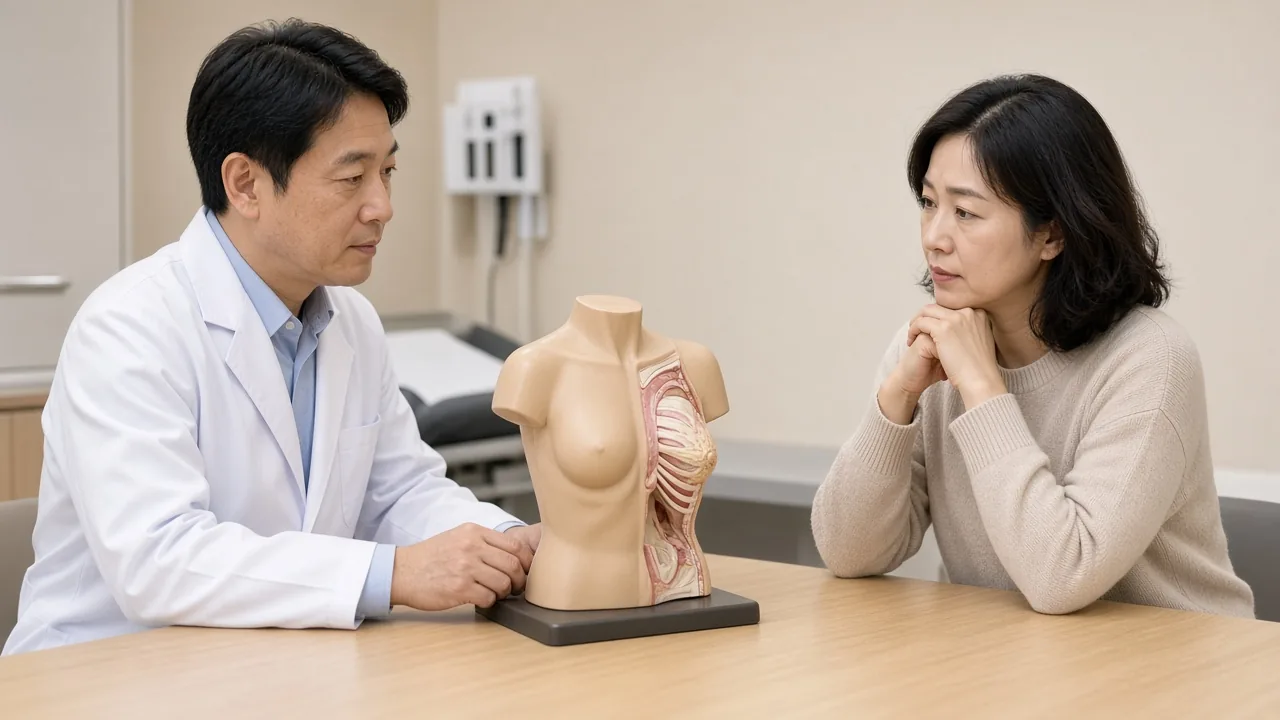
Treatment sequence varies from patient to patient. Illustrative examples include:
- Diagnosis → surgery → pathology → radiation
- Diagnosis → chemotherapy → surgery → radiation
- Diagnosis → systemic therapy → surgery → additional treatment
- Diagnosis → surgery → pathology → chemotherapy → radiation
Hormone therapy or targeted treatment may also continue after surgery depending on tumour characteristics. These examples are illustrative. The treating oncology team determines the appropriate sequence.
Breast cancer treatment cost in India
There is no single fixed price for breast cancer treatment in India. The overall cost depends on which treatments are required and how they are delivered.
Current GAF planning ranges for major components:
| Treatment | Indicative cost in India | Typical pattern |
|---|---|---|
| Breast-conserving surgery / lumpectomy | $3,500–$8,000 | About 1–3 nights |
| Mastectomy | $4,500–$10,000 | About 3–6 nights |
| Nipple-sparing mastectomy | Case-specific quotation | Surgical admission varies |
| Oncoplastic breast surgery | $4,500–$11,000 | About 2–5 nights |
| Breast reconstruction | $6,000–$18,000 | About 4–8 nights |
| Chemotherapy | $1,500–$8,000+ | Multiple cycles |
| Immunotherapy | $15,000–$45,000 | Repeated outpatient treatment |
| Targeted therapy | $8,000–$30,000 | Depends on medicine and duration |
| Hormone therapy | $1,000–$4,500 | Long-term treatment |
These are planning ranges rather than patient-specific hospital quotations. They should not be added together automatically. One patient may require breast-conserving surgery followed by radiation and hormone therapy; another may require chemotherapy, mastectomy, reconstruction and targeted treatment. The total budget depends on the complete treatment plan.
What affects the cost?
The final quotation may be influenced by the type of surgery, hospital, city, surgeon, procedure complexity, hospital stay, room category, anaesthesia, pathology, imaging, lymph node surgery, reconstruction, chemotherapy and number of cycles, targeted medicines, immunotherapy, radiation, hormone therapy, additional investigations, treatment-related complications and follow-up requirements. Ask the hospital for an itemized estimate showing what is included and excluded.
Request an itemized hospital estimate
Breast cancer treatment cost in major Indian cities
Treatment costs can vary between hospitals and cities. A city should not be assigned a single breast cancer price without a verified hospital quotation. For initial planning, the following national ranges can be used where city-specific CMS pricing is not available:
| City | Cost basis | Lumpectomy | Mastectomy | Breast reconstruction |
|---|---|---|---|---|
| Delhi NCR | India planning range | $3,500–$8,000 | $4,500–$10,000 | $6,000–$18,000 |
| Mumbai | India planning range | $3,500–$8,000 | $4,500–$10,000 | $6,000–$18,000 |
| Bengaluru | India planning range | $3,500–$8,000 | $4,500–$10,000 | $6,000–$18,000 |
| Chennai | India planning range | $3,500–$8,000 | $4,500–$10,000 | $6,000–$18,000 |
| Hyderabad | India planning range | $3,500–$8,000 | $4,500–$10,000 | $6,000–$18,000 |
These figures should not be interpreted as guaranteed tariffs for every hospital in these cities.
Apart from medical costs, patients may compare availability of relevant specialists, hospital options, radiation facilities, reconstruction services, international-patient support, airport connectivity, accommodation, local transportation, follow-up arrangements and the ability to coordinate multiple specialties. For patients receiving radiation or repeated systemic treatment, these logistical factors can be particularly relevant.
- Surgical oncology hospitals in Delhi NCR
- Surgical oncology hospitals in Mumbai
- Surgical oncology hospitals in Bengaluru
- Surgical oncology hospitals in Chennai
- Surgical oncology hospitals in Hyderabad
Breast cancer treatment cost: India vs other countries
International comparisons should use the same procedure and comparable cost definitions. An indicative lumpectomy comparison:
| Country | Approximate lumpectomy cost | Cost basis |
|---|---|---|
| India | $3,500–$8,000 | GAF planning range |
| Turkey | $5,800–$10,500 | Indicative planning estimate |
| Thailand | $6,900–$12,500 | Indicative planning estimate |
| United Arab Emirates | $11,500–$19,500 | Indicative planning estimate |
| Singapore | $15,000–$25,500 | Indicative planning estimate |
| Germany | $12,500–$24,000 | Indicative planning estimate |
| United Kingdom | $10,500–$19,500 | Private/self-pay estimate |
| United States | $15,000–$30,000 | Self-pay estimate |
These figures are for treatment planning and comparison. They are not guaranteed hospital quotations. Differences can result from hospital pricing, physician fees, operating-theatre charges, nursing, pathology, imaging, medicines, room category, healthcare financing, insurance arrangements, length of stay, post-operative care and international-patient services. Compare quotations based on what is actually included.
What is included in an estimate?
Depending on the treatment, a hospital estimate may include specialist consultation, pre-operative assessment, surgeon fees, anaesthesia, operating theatre, hospital room, nursing, routine medicines, histopathology, lymph node assessment and a post-operative review.
Potential additional costs can include MRI, PET-CT, genetic or genomic testing, additional pathology, re-excision, reconstruction, radiation, chemotherapy, targeted medicines, immunotherapy, hormone therapy, additional hospital nights and management of complications. Always ask the hospital to clarify inclusions and exclusions before treatment begins.
Breast cancer treatment for international patients
International patients should ideally have their medical records reviewed before travelling to India. This allows the treating team to understand the diagnosis and determine what additional investigations may be required.
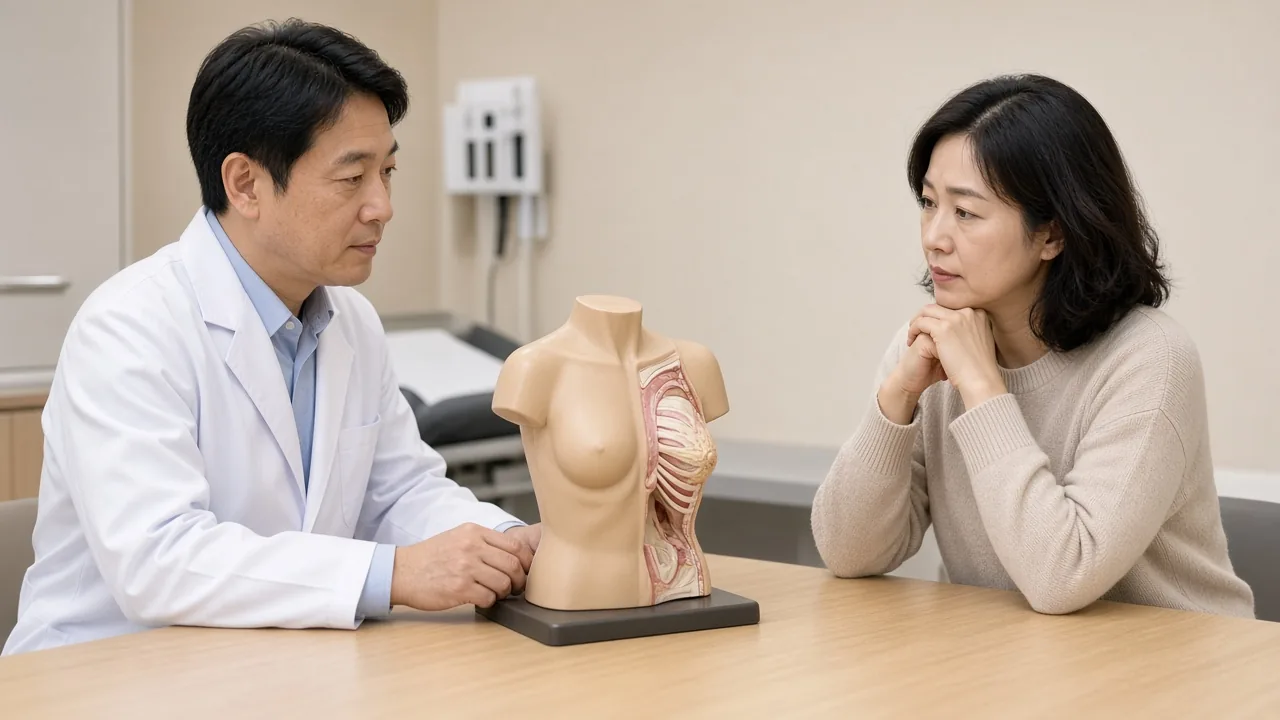
Depending on the case, patients may be asked to provide a biopsy and histopathology report, ER/PR/HER2 reports, mammography, breast ultrasound, breast MRI, PET-CT or other staging scans, previous surgery, chemotherapy and radiation records, blood tests, a current medication list, and genetic or molecular reports.
Breast cancer treatment decisions depend significantly on pathology. Patients who have already received a diagnosis in another country may be asked to provide pathology slides, tissue blocks or original reports for review. A second pathology review may be recommended when additional confirmation is required.
A second opinion may be considered when major surgery has been recommended, the patient is considering lumpectomy versus mastectomy, chemotherapy or targeted treatment has been proposed, reconstruction is being considered, pathology reports differ, several options are being discussed, or the patient wants multidisciplinary review. A useful second opinion requires the relevant medical records. A diagnosis name alone may not be enough.
How to choose a breast cancer hospital in India
Hospital selection should reflect the patient's treatment requirements.
- Breast surgery: breast surgical oncology, lymph node surgery, breast imaging and pathology. See surgical oncology hospitals in India.
- Medical oncology: chemotherapy, targeted therapy, immunotherapy and hormone therapy. See medical oncology hospitals in India.
- Radiation oncology: radiation planning, appropriate technology, scheduling and follow-up. See radiation oncology hospitals in India.
- Reconstruction: implant reconstruction, autologous reconstruction and microsurgical reconstruction where appropriate.
- International patient services: medical-record coordination, interpreters, travel coordination, airport transfers, accommodation assistance, discharge documentation and follow-up coordination.
The hospital should have the specific services required for the patient's treatment plan.
Request a treatment plan and estimate
How long should an international patient stay in India?
The required stay depends on the treatment pathway.
- Surgery. Patients may need time for pre-operative consultation, additional investigations, surgery, hospital recovery, pathology review and post-operative assessment. The hospital stay may be relatively short, but the total trip can be longer because of recovery and follow-up.
- Radiation therapy. Radiation usually involves multiple sessions. If radiation is delivered in India, the stay may extend considerably beyond the surgical admission.
- Chemotherapy. Chemotherapy is normally delivered in cycles. Some international patients receive treatment in India and later continue subsequent cycles at home, subject to coordination between oncology teams.
- Hormone therapy. Hormone therapy can generally continue after the patient returns home.
- Targeted therapy. Targeted therapy may continue for an extended period depending on the cancer and protocol.
Follow-up after breast cancer treatment
Follow-up depends on the diagnosis and treatments received. The oncology team may monitor surgical recovery, radiation effects, chemotherapy-related effects, hormone therapy, targeted therapy, imaging, recurrence surveillance, lymphoedema, reconstruction and general recovery.
International patients should request a detailed treatment summary before returning home. It can include the final diagnosis and stage, pathology findings, surgery performed, lymph node findings, ER/PR and HER2 status, chemotherapy regimen, radiation plan, targeted therapy, hormone therapy and recommended follow-up. This information helps the patient's local medical team continue care.
Treatment Process
- 1
Share medical records
The patient provides available pathology, imaging and previous treatment records.
- 2
Specialist review
The relevant oncology specialists review the diagnosis.
- 3
Treatment planning
The team determines the proposed treatment sequence.
- 4
Hospital and doctor selection
The patient can review relevant doctors and hospitals according to the treatment pathway.
- 5
Treatment estimate
The hospital provides an estimate based on the proposed treatment.
- 6
Travel planning
The patient arranges the required travel and accommodation.
- 7
Pre-treatment assessment
Additional investigations may be performed after arrival.
- 8
Treatment
The planned treatment is carried out under the treating medical team.
- 9
Pathology review
Final surgical pathology can influence subsequent treatment.
- 10
Follow-up or continuation of care
Some patients continue treatment in India, while others return home and continue with their local oncology team.